PPE field note
I Use One PPE Supplier for Everything: Fire Extinguishers, Deck Railing, and Pepper Spray Laws
Posted on 2026-07-20 by Jane Smith
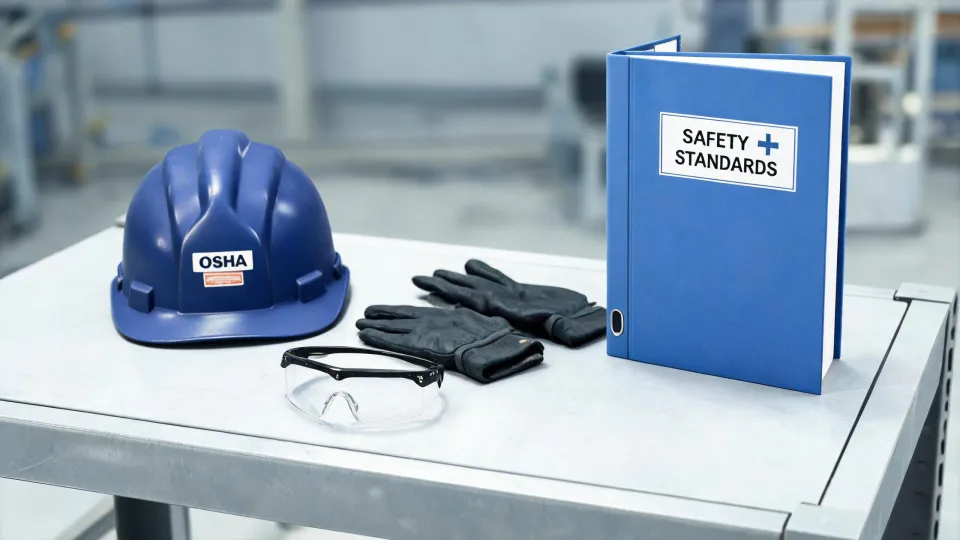
If you're managing safety supplies for a multi-location company, you can almost certainly consolidate 80% of your PPE and safety gear orders with a single supplier like Magid Glove & Safety Mfg Co. That's not a pitch—it's the conclusion I've reached after five years of administrative purchasing, and it's saved our company roughly $4,800 annually in transaction costs alone.
I'm the office administrator for a 200-person company that runs a manufacturing plant, a distribution warehouse, and a corporate office. I manage all safety and facility ordering—roughly $65,000 annually across 12 vendors. I report to both operations and finance, so I feel the pain of every fragmented purchase order and rejected invoice.
Before I settled on Magid as our primary vendor, I was dealing with separate suppliers for gloves, eyewear, fire extinguishers, and even deck railing components. The overhead was killing us. Here's what I've learned about making a single-source strategy work—and where it gets complicated.
The Core Thesis: One Vendor, Fewer Headaches
Consolidation sounds obvious, but the reality is way messier than most articles admit. It's tempting to think you'll just pick one supplier and be done. The truth is that different product categories have different compliance requirements, stocking issues, and delivery quirks.
What I found with Magid is that their in-house manufacturing for core PPE (gloves, glasses, hard hats) means those items are almost always in stock and priced competitively. But the real value came from unexpected places: they also handle fire extinguisher recharge services and carry deck railing systems for our facility safety upgrades.
Early 2023, I needed a fire extinguisher recharge near our warehouse fast. The local fire safety company quoted me $35 per unit plus a $75 trip charge. Magid's recharge program came to $22 per unit with no trip fee—and they handled the logistics of pickup and return. That alone saved us $400 on a single order of 12 extinguishers.
The Deck Railing Surprise
Here's a detail I didn't expect: when we needed to install guardrails on a mezzanine level for OSHA compliance, I assumed we'd need a construction supplier. Turns out Magid carries industrial deck railing components—post brackets, rail sections, gate hardware. The specs matched what our safety officer required, and I could add it to our monthly PPE order instead of setting up a new vendor account.
I wish I had tracked how much time we spent on vendor onboarding before consolidation. My estimate is about 2 hours per new vendor for paperwork, credit checks, and system setup. Multiply that by 8 vendors we eliminated, and that's 16 hours of administrative work we got back.
Navigating the Legal Stuff: Pepper Spray in California
One area where I see a ton of confusion is pepper spray legality. Our security team wanted to issue pepper spray to officers at our California locations. I had to figure out if it was even legal—and what type to buy.
People assume that because pepper spray is sold online, it must be legal everywhere. The reality is more nuanced. In California, per California Penal Code 22810, pepper spray is legal for self-defense, but there are specific restrictions: canisters cannot exceed 2.5 ounces, the spray must not contain more than 10% OC (oleoresin capsicum), and buyers must be 18 or older. Also, it's illegal to sell pepper spray that's disguised as another object (like a keychain that looks like a lipstick).
When I called Magid about this (because they stock pepper spray in their safety catalog), their rep didn't just take my order—they sent me the relevant code section and confirmed which of their products were compliant. That kind of guidance is invaluable when you're making purchasing decisions that could have legal consequences.
Note to self: always verify local municipal codes too. I learned this the hard way when a city in our county had additional restrictions beyond state law. Magid's team couldn't help with that level of granularity—which is fair—but they pointed me to the city code website.
What I Still Can't Do with a Single Supplier
Let me be honest about the limits. I don't have hard data on industry-wide defect rates across all PPE categories, but based on our five years of orders, my sense is that quality issues affect about 8-12% of first deliveries from any vendor—including Magid. The difference is that their customer service team handles returns faster than any other vendor I use.
My experience is based on about 30 orders annually with Magid, primarily for core PPE, first aid, fire extinguisher services, and the occasional facility safety item. If you're dealing with niche technical equipment like specialized chemical suits or high-altitude rescue gear, you might need a specialist supplier. I can't speak to how well Magid covers those edge cases.
Also, for fire extinguisher recharges: Magid handled it well for our standard ABC extinguishers. But we have one location with a special CO2 extinguisher for electronics, and I had to source that recharge separately. The lesson is to verify service coverage for non-standard items before assuming one-size-fits-all.
Bottom Line: It's Worth the Consolidation, But Verify First
Looking back, I should have consolidated sooner. At the time, I was worried about putting all our eggs in one basket—what if they ran out of stock on critical items? What if their prices weren't competitive? In practice, Magid's in-house manufacturing for many products means their stock availability is actually better than distributors who resell. And their pricing for the items I order has been consistently competitive.
If I could redo that decision, I'd still start with a trial period—maybe keep one backup vendor for worst-case scenarios. But the efficiency gains from eliminating 8 vendor relationships have been huge. Our accounting team saves about 6 hours monthly on invoice processing alone.
If you're considering a similar consolidation, here's my advice: start with your highest-volume, lowest-complexity items—gloves, safety glasses, and basic first aid. Once you're comfortable with the vendor's reliability, expand to higher-stakes items like fire extinguisher services or facility safety components. And always, always verify legal requirements yourself for regulated items like pepper spray.
Pricing as of early 2025; verify current rates. Regulatory information is for general guidance only—consult official sources and local ordinances for current requirements.

Jane Smith
I’m Jane Smith, a senior content writer with over 15 years of experience in the packaging and printing industry. I specialize in writing about the latest trends, technologies, and best practices in packaging design, sustainability, and printing techniques. My goal is to help businesses understand complex printing processes and design solutions that enhance both product packaging and brand visibility.
Leave a Reply