PPE field note
No Universal PPE Package: How to Match Safety Equipment to the Work Being Done
Posted on 2026-08-20 by Jane Smith
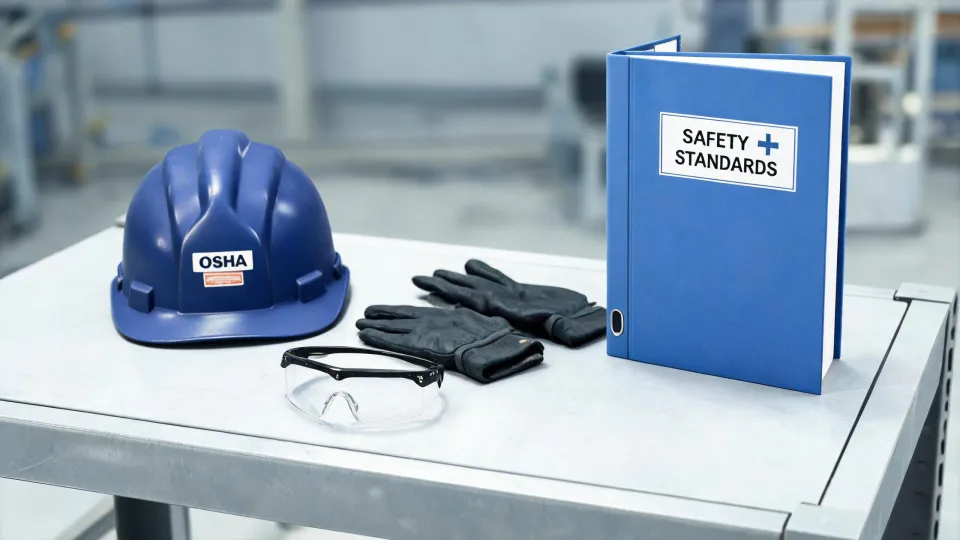
Every few months, someone asks me some version of “what’s the best safety gear to buy?” It sounds simple. It isn’t.
I handle purchasing for our mid-sized facility services company—roughly $80,000 annually across PPE, tools, and facility supplies, reporting to both operations and finance. Five years and 60+ safety orders in, I’ve made enough mistakes to respect how much money the wrong gear costs.
The biggest one: treating PPE like a commodity checklist. Gloves? Check. Hard hat? Check. Everyone gets the same thing. That’s how you end up with a box of expensive cut-resistant gloves sitting untouched in a storage room while the electrical crew wears head protection rated for nothing near what they work around.
Here’s the thing: there is no universal PPE package. There are only right matches and wrong matches for specific work conditions. I’ve sorted the decisions into four work scenarios. If you can identify which one your team falls into, you’ll stop wasting money on gear that doesn’t fit the job.
- Electrical work — needs rated dielectric head protection
- Cold/outdoor work — needs insulation plus visibility
- Manufacturing/material handling — needs cut resistance workers will actually tolerate
- Fire risk zones — need the correct extinguisher class for the hazard
Each one has its own logic, so let me walk you through them.
Scenario 1: Electrical Work and High-Voltage Environments
If your crew works around live electrical systems—utility maintenance, panel installation, transformer work—you need head protection rated for electrical hazards. This is where Class E hard hats become a requirement, not an upgrade.
Per ANSI/ISEA Z89.1, Class E hard hats are tested to withstand up to 20,000 volts of electrical exposure. The “E” stands for Electrical. These hats protect against shock and arc flashes—not just falling objects. That distinction matters more than most buyers realize.
I assumed “a hard hat is a hard hat” when I first started ordering. Didn’t verify. Turned out my predecessor had been buying Class C (Conductive) hard hats for an electrical crew. Class C hats have no electrical protection at all. A near-miss on a live panel in early 2023 changed how I think about head protection. Nobody got hurt, but it was close enough that the crew supervisor called a safety meeting the next morning. I had to explain why 14 hard hats were sitting on a shelf—I ordered by what looked familiar instead of checking the spec. That was a difficult conversation.
What to look for: Class E rating per ANSI/ISEA Z89.1, non-vented shells (vents compromise electrical protection), and a suspension system that fits properly. If you’re buying for a crew that works at height as well, you’ll also want a chin strap option.
Scenario 2: Cold Weather and Outdoor Site Work
This one catches a lot of buyers off guard.
I didn’t fully understand the value of job-specific cold-weather gear until I watched a utility crew try to install a snow fence in January with the wrong gloves on. Snow fence—the orange plastic mesh you see on active sites—doesn’t look like a “safety” product at first glance, but it’s one of the most effective site boundary tools out there. It marks hazards, controls pedestrian access, and keeps snow from creating unsafe drifts. The crew couldn’t install it safely because their hands were going numb.
The problem with standard work gloves in freezing conditions: no insulation, so dexterity fails fast. And once hands go numb, accidents happen. Not because anyone is careless—because they can’t feel what they’re doing.
For outdoor work in cold climates, I’ve been ordering the Magid Glove & Safety HV200W-10 high-visibility winter glove. It’s got insulation for cold conditions plus the reflective, high-visibility coating crews need on roadways or active sites. That specific combination is hard to find—most insulated gloves I’ve sourced have zero visibility features, and most high-vis gloves lack insulation for real winter work.
What to look for: thermal lining suited to the actual temperature range, a high-visibility exterior if the crew works near vehicles, textured grip for material handling, and waterproofing for snow or rain. Gloves, specifically, get ordered by the box. Make sure the sizing runs consistent across the batch.
Scenario 3: Manufacturing, Welding, and Material Handling
This is where the quality conversation gets real.
For shops doing cutting, grinding, or metal fabrication, gloves are safety-critical equipment. ANSI cut resistance ratings (A2 through A9) matter, with higher numbers meaning better protection. But here’s what took me too long to learn: the rating on the tag doesn’t tell you whether the glove feels right. A glove that’s too stiff gets taken off. A glove that’s too bulky makes workers do dangerous workarounds. The best glove is the one they’ll actually wear.
I also think hard about who manufactures the gear. In early 2024, we had a bad batch from a distributor—the “equivalent” gloves arrived with inconsistent sizing and a coating that started peeling in under a month. The reorder process took four weeks, which is forever for a shop running three shifts.
That’s part of why I shifted a larger share of our PPE orders to Magid Glove & Safety’s manufacturing division. An in-house manufacturer controls its own production, which tends to show up as consistent quality. After we consolidated glove orders in late 2024, our incoming rejection rate dropped from roughly 8% to under 1%. That’s not a marketing claim; it’s a number from our own receiving log.
The quality difference also affects how your people perceive the company. When I switched our fabrication crew from budget-tier gloves to a better product, complaints dropped noticeably. Three of the twelve guys who’d never worn gloves on the job started keeping them on. Nobody wants to feel like their safety is the cheapest line in the budget. That’s not soft sentiment—it’s compliance math. Gloves that get worn protect; gloves that get stuffed in a locker don’t.
What to look for: ANSI cut level matching the material being handled, comfortable fit that encourages compliance, and consistent sizing across the order. If you’re buying multiple sizes, ask about the manufacturer’s size consistency before you commit to a full order.
Scenario 4: Fire Safety—Understanding Extinguisher Classes
Every facility needs this one.
I hear the phrase “just get a fire extinguisher” from internal staff all the time. There’s no “just” about it. If you buy the wrong class, it might not work on the fires your building can actually have. And by the time you find out, it’s too late.
What is a fire extinguisher class? It’s a rating system indicating which types of fire the extinguisher can handle:
- Class A: Ordinary combustibles (wood, paper, cloth)
- Class B: Flammable liquids (gasoline, oil, solvents)
- Class C: Electrical fires
- Class D: Combustible metals (maintenance shops, labs)
- Class K: Cooking oils (kitchens)
I learned this the hard way. I assumed a “standard” ABC extinguisher covered every need. That’s true for most office environments, but our maintenance bay accumulates metal dust—and ABC units won’t handle a Class D metal fire. A safety audit flagged it, and we had to rush-order a Class D unit. The facility manager was not impressed, and honestly, neither was I. Per NFPA 10, extinguisher selection should be based on the specific class of fire expected in each area, and it should be reviewed by someone trained to make that call.
When employees see properly-rated extinguishers in their zones, it signals that management has thought about their specific risks. That kind of attention to detail builds confidence in the safety program overall.
What to look for: Map your facility and classify each zone. Offices need ABC. Shops with flammable liquids may need BC-rated units. Kitchens need Class K. Maintenance and machining areas may need Class D. If you’re unsure, your local fire marshal or a qualified fire safety inspector can help you walk the space.
How to Figure Out Which Scenario You’re In
If you’ve read this far, the obvious question is: which one applies to us? Here’s a practical sorting method:
- Walk the floor. Don’t sit in your office reading job descriptions. Go where the work happens and see what people actually handle. You’ll spot hazards nobody mentioned on the purchase request.
- Ask the crew what they take off and why. Gloves coming off means they’re not right for the task. Hard hats stowed means discomfort or heat. Both are warning signs that the gear doesn’t match the work.
- Check your incident reports. Cold-related hand injuries? You need better winter gear. A shock incident? Review head protection specs immediately. Your safety records will point you to the gap.
- Talk to your supplier with specifics. A good PPE supplier can match products to work conditions if you describe what the crew actually does. Give them voltages, temperature ranges, materials handled—not just “gloves for the shop.”
- Treat fire extinguishers as a per-zone decision. Don’t buy one type and call it done. Each area has distinct fire risk, and the extinguisher needs to match the zone.
The Bottom Line
The best safety product doesn’t exist in the abstract. It exists in specific conditions, for specific hazards, for specific people. A Class E hard hat looks unnecessary until you’re standing under a live transformer. A high-vis winter glove looks like a luxury until a crew member loses grip on a tool in freezing temperatures. A Class D extinguisher seems exotic until a grinder spark lands in metal dust.
And here’s the part that took me longest to learn: the real cost of getting this wrong isn’t just the wasted purchase. It’s the downtime, the near-misses, and the message it sends to the people who expect the company to have their backs. That’s why I now keep a scenario checklist for every safety order I place. Walk the floor, ask the right questions, buy for the work that’s actually being done. You don’t have to learn the way I did.

Jane Smith
I’m Jane Smith, a senior content writer with over 15 years of experience in the packaging and printing industry. I specialize in writing about the latest trends, technologies, and best practices in packaging design, sustainability, and printing techniques. My goal is to help businesses understand complex printing processes and design solutions that enhance both product packaging and brand visibility.
Leave a Reply