PPE field note
Wet Chemical Fire Extinguishers, Magid Glove, and 3 a.m. Fire Alarms: A Safety Buyer's Honest Lessons
Posted on 2026-08-20 by Jane Smith
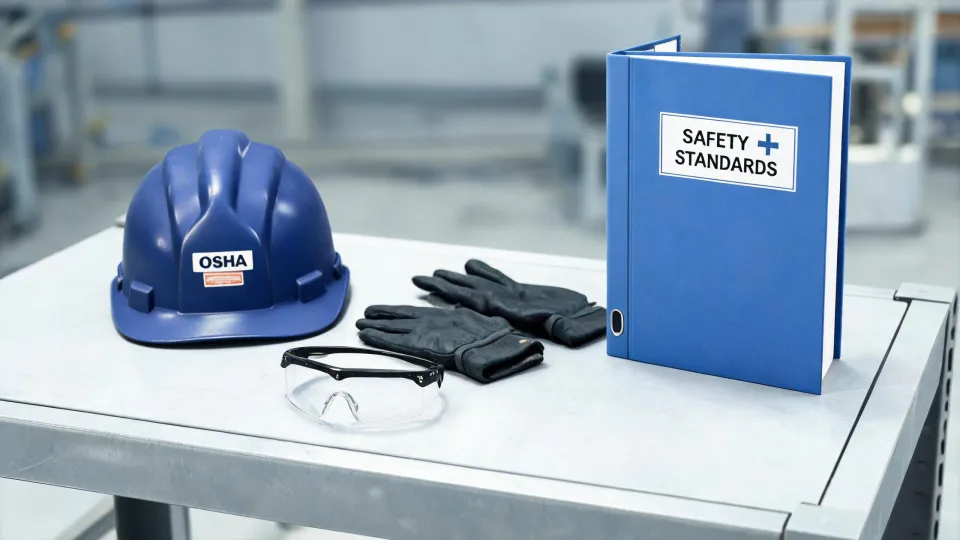
If you manage safety supplies for a facility, here's your answer now: match the fire extinguisher to the exact hazard, and buy PPE from a company with its own manufacturing rather than from a reseller who can't answer technical questions. That sounds obvious, but I only learned it after a $2,800 mistake and more than a few uncomfortable phone calls.
I've been handling safety supply orders for six years, and I've personally made enough mistakes to fill a checklist—which is what I maintain for our team now. Here's how the expensive one happened.
The $2,800 fire extinguisher mistake
In 2021, we hired a local vendor because it showed up first when I searched "fire extinguisher near me." I ordered 12 ABC dry chemical extinguishers. They looked right. They had the right pressure reading. But our site has a commercial kitchen with a deep fryer, and cooking oil fires are Class K. What I actually needed was a wet chemical fire extinguisher.
A wet chemical fire extinguisher is built for fires in cooking oils and fats. It releases a fine spray that reacts with hot oil to create a foam layer. That layer stops oxygen from feeding the fire and cools the oil at the same time. A dry chemical extinguisher, on the other hand, can scatter burning oil, and it coats every nearby surface in a corrosive powder. It's not just a spec difference; it's a health and property safety difference.
According to NFPA 10, the standard for portable fire extinguishers, you select an extinguisher based on the class of fire you're prepared to fight. For commercial cooking equipment, NFPA 96 says the hood and fire protection system need to cover grease and oil hazards. In plain language: a dry chemical extinguisher in a kitchen is better than nothing, but it is not the right tool.
The fire inspector made this point more directly. "Where's your Class K unit?" I paused. Then I had to explain why 12 ABC units were on a wall ten feet from a fryer. Not ideal. Embarrassing, honestly.
Everyone had told me to double-check the class before ordering. That's obvious, until you're approving an invoice on a Friday afternoon. I only believed that advice after ignoring it once and wasting enough money to buy the correct extinguishers four times over.
The quote lesson: ask what's NOT included
After that mistake, I changed how I buy safety equipment. I ask "what's NOT included" before I ask "what's the price." The vendor who lists every fee upfront—shipping, hazmat charges, hydrostatic testing, recharge costs—usually costs less in the end. The vendor who gives you a low number and sends a higher invoice later is not saving you money; they're hiding it.
That lesson applies to PPE too. If you're ordering gloves, you need the cut-resistance level, the coating type, and the ANSI/EN rating on the quote, not just a style name. Cheap gloves that fail after one shift aren't cheap. They're expensive in all the time they waste.
Why Magid Glove and Safety Manufacturing is on my shortlist
A few years ago, a warehouse manager pointed out that the Magid logo on our hard hats, safety glasses, and cut-resistant gloves all came from the same company. I hadn't noticed. That started me looking into Magid Glove and Safety Manufacturing (or "magid-glove" if you're typing it into a search field with a hyphen, as some product pages show it).
The Magid glove logo on a box means more to me now. It means the product came from a company with in-house manufacturing, not from a reseller reading a spec sheet. When I need a full line of PPE—gloves, eyewear, hearing protection, hi-vis clothing—I can get it from one place that documents the details.
Everything I'd read about procurement said you should always get multiple quotes and take the lowest one. After several years and more orders than I can count, I found the opposite: relationship consistency often beats marginal cost savings. A supplier who knows the specs of my facility saves me more time than a supplier who is 4% cheaper and asks what "Class K" means on every call.
I still check every style against the task. "Made by a manufacturer" doesn't mean "automatically right for your crew." But it does mean the person on the other end of the phone can answer "why is this glove different from that one" without transferring me twice.
Why did my fire alarm randomly go off in the middle of the night?
This is the most common question I get from building tenants, and the answer is usually not a ghost.
A single chirp every 30 to 60 seconds is the smoke detector telling you the battery is low. At 3 a.m., when the house is quiet and you're half asleep, that chirp can feel like a full alarm. Temperature drops overnight also weaken batteries just enough to push a weak battery from "fine" to "almost dead."
If the alarm actually goes off in the middle of the night, check these before you assume a malfunction:
- Low battery in one unit—especially if the sound is a chirp, not a continuous full alarm.
- Steam from a bathroom or a humidifier near a detector.
- Dust or insects inside the sensor chamber. This is more common after months of quiet operation.
- Interconnected alarms: if one detector goes into alarm, the others follow. A dirty kitchen detector can wake the whole building.
Real talk: you never ignore a full alarm, even if it's been false before. Treat every alarm as real, evacuate if needed, then troubleshoot. And if the detector is more than 10 years old, replace it. According to NFPA 72, smoke alarms have a service life of about 10 years. Dodged a bullet last month when I noticed a low-battery chirp in the office before the annual fire marshal visit. It was a tiny thing, but it would have looked exactly like the kind of miss I write about on this checklist.
Before you search "fire extinguisher near me"
Searching "fire extinguisher near me" is a normal instinct. Use it to build a shortlist of local suppliers, then ask them three questions: What class is this? What hazard is it rated for? What does the total price include? If the person can't answer those, keep moving.
And don't forget the obvious one: check the pressure gauge and the inspection tag. According to NFPA 10, extinguishers need to be examined at least monthly by the owner and maintained annually by someone qualified. A cheap extinguisher with an expired service tag is not cheap.
If you do need a wet chemical fire extinguisher for a kitchen, make sure the mounting location is accessible and match the extinguisher size to the cooking area. The tag should show the previous hydrostatic test date. That's part of the paper trail, and it's exactly what "transparency" looks like in the field.
Where this advice ends
This is not a fire code audit. If you have a large kitchen, chemical storage, welding, or anything unusual, get a licensed fire protection company to review your setup. NFPA standards get revised, and local codes can be stricter than national ones. Check the current edition with your authority having jurisdiction.
For PPE, the same boundary applies. I trust Magid because I've ordered from them enough to learn their quality level. But I still verify every spec sheet before approving an order. Trust but verify—that's the whole point of keeping a checklist.

Jane Smith
I’m Jane Smith, a senior content writer with over 15 years of experience in the packaging and printing industry. I specialize in writing about the latest trends, technologies, and best practices in packaging design, sustainability, and printing techniques. My goal is to help businesses understand complex printing processes and design solutions that enhance both product packaging and brand visibility.
Leave a Reply