PPE field note
Magid Glove & Safety Mfg: What Actually Matters When You Need PPE Fast
Posted on 2026-08-13 by Jane Smith
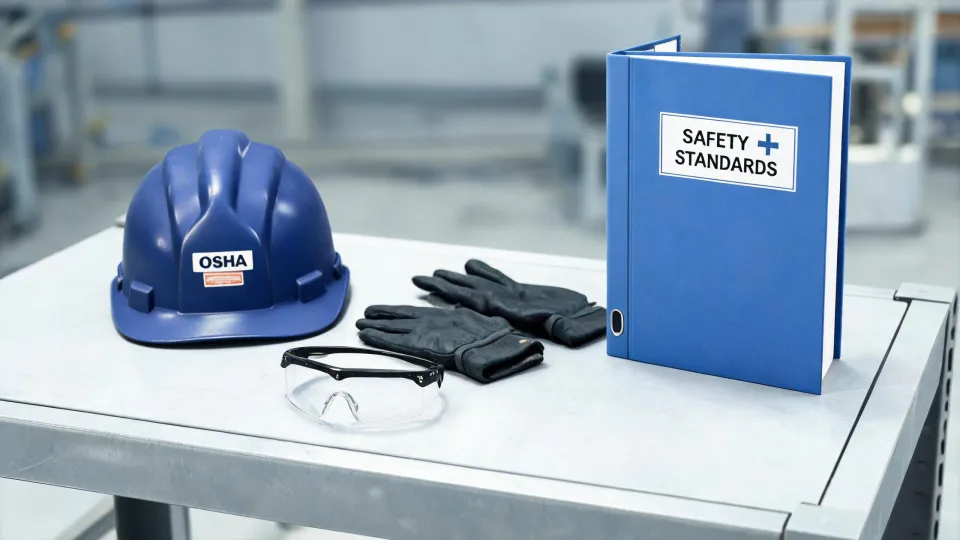
Here's the thing: if you're searching for Magid Glove & Safety Mfg, or typing something like "electric fence wire" or "how does a smoke detector work", you're probably not after a lecture. You need to get something done. Maybe a project starts this week. Maybe you just realized the equipment you have isn't the right equipment. Maybe you've spent twenty minutes comparing products and still aren't sure.
The honest answer is: there is no single "best" safety product. The right choice depends on which of three situations you're in. In my role coordinating rush orders for industrial clients, I've processed 200+ emergency orders in the last four years. Here's how I think through it.
Scenario 1: You're trying to understand a hazard
If your search history includes "how does a smoke detector work" or "electric fence wire", put your wallet down. You're in research mode, not buying mode. The first task is to name the hazard. Once you can name what you're actually protecting against, the product decision gets a lot easier.
Smoke detector searches
Smoke detectors aren't all the same. According to the U.S. Fire Administration (usfa.fema.gov), ionization smoke alarms respond faster to flaming fires, while photoelectric smoke alarms respond faster to smoldering fires. That's a real difference. A warehouse with lots of electrical equipment and a break room with upholstered furniture create different fire risks. That's why many safety teams specify dual-sensor detectors instead of grabbing whatever is on sale.
So if you asked "how does a smoke detector work" because you're choosing one for a facility, the answer steers the product decision. Know the space, then choose the sensor type.
Electric fence wire searches
Electric fence wire shows up in a lot of places: farms, remote job sites, temporary security boundaries. The hazard isn't only the voltage. The mechanical risk from tensioned wire can be just as serious. Wire under tension can cut or puncture if you grab it wrong. If the fence is live, you need properly rated insulating gloves. If you're handling the wire during installation, you need cut-resistant or leather gloves with grip—not a generic knit glove.
OSHA's hand protection standard, 29 CFR 1910.138, says employers must select gloves based on the specific task, duration of use, and hazards present. That's not a bureaucratic sentence. It's a practical instruction: don't buy the glove because it's the one you've always bought. Buy the glove because it matches the job.
In March 2024, a contractor called at 4:00 p.m. the day before a fence installation. He needed 200 pairs of gloves for handling electric fence wire. Normal turnaround was five days. We found the stock through our online catalog, paid about $80 in rush freight, and the truck arrived before the crew started. The client's alternative was a one-day delay on a $14,000 job. The difference wasn't the truck. It was knowing exactly what the hazard was before we picked the glove.
Scenario 2: You're choosing between comfort and protection
If your search history includes "uggs earmuffs", I'm going to make an assumption: you want to stay warm, and maybe look good doing it. That's valid. But those earmuffs are not hearing protection. Not in the occupational safety sense.
To be fair, UGG makes comfortable cold-weather accessories. But they don't carry an NRR rating, and they're not designed to reduce noise exposure. If you're walking between your car and a job trailer, they're fine. If you're standing near a generator or a compressor running at 90+ decibels, they're not enough.
According to NIOSH (cdc.gov/niosh), the recommended exposure limit for occupational noise is 85 dBA over an 8-hour time-weighted average. That's a low threshold. If you have to raise your voice to be heard at arm's length, you're probably above it. Real hearing protection has a Noise Reduction Rating, and it needs to fit properly to do anything.
So the decision tree here is simple: if the earmuffs will only be used for warmth, buy what feels good. If there's any chance they'll be used in or near a noisy workspace, buy a hearing protector with an NRR rating.
I get why people go with the cheapest option—budgets are real. But the cost of noise-induced hearing loss shows up years later, and it's not something you can fix with a better insurance plan.
Scenario 3: You need a supplier and you need them now
If your search was "magid glove and safety mfg" or "magid glove & safety official website", you're past the research phase. You have a product category in mind. You have a deadline. You need a vendor that gets you working quickly.
I've been on both sides of that conversation. When someone types "magid-glove" into a search bar, they're not looking for a blog post. They want product pages, specs, and a way to order without playing phone tag.
The Magid Glove & Safety official website is built for that. You can search, filter, and compare product lines—gloves, safety glasses, hard hats, coveralls, respirators, hearing protection, and more. That matters more than it sounds. When a buyer already knows the SKU, the quote, and the delivery window before contacting anyone, the order can ship the same day. When we have to ask five questions about your industry, your job site, and your gloves' inch-by-inch specifications, the order waits.
From the outside, it looks like rush orders just require a faster truck. The reality is, they require a supplier whose ordinary workflow is already efficient. The automated part of the process—online catalogs, product filters, order history—removes the data-entry errors that used to slow everything down.
One more thing: direct channels like an official website usually give you a more accurate picture than a third-party marketplace listing. You know what you're getting, what the specs are, and who to contact if something's wrong.
How to tell which scenario you're in
Ask yourself one question: can you name the hazard?
- If no, start in Scenario 1. You're not ready to buy. You're ready to understand.
- If the hazard is clear but you're weighing comfort against protection, work through Scenario 2. There's no shame in wanting comfortable gear. Just don't let comfort be the only spec.
- If you already know the product category and you have a deadline, go straight to Scenario 3. Look for a supplier with a real catalog, clear specs, and a straightforward way to order.
Looking back, I should have asked more questions on a rush order in 2023. At the time, I assumed "work gloves" meant one thing. It didn't. The client needed cut-resistant gloves for metal handling, not general-purpose gloves. We paid $800 in extra freight to fix it. That mistake happened because we skipped the hazard identification step. Now I walk every fast-tracked order back to the basics: what is the task, what is the environment, what is the worst thing that can happen?
The good news is, most safety purchases don't need to be perfect. They need to be appropriate. Start with the hazard, then the working conditions, then the supplier. That's it.
Regulatory references are as of March 2025. Verify current requirements with the applicable official source before making a purchase.

Jane Smith
I’m Jane Smith, a senior content writer with over 15 years of experience in the packaging and printing industry. I specialize in writing about the latest trends, technologies, and best practices in packaging design, sustainability, and printing techniques. My goal is to help businesses understand complex printing processes and design solutions that enhance both product packaging and brand visibility.
Leave a Reply