PPE field note
Need Safety Gear Fast? A Field Guide to Emergency PPE Orders
Posted on 2026-08-25 by Jane Smith
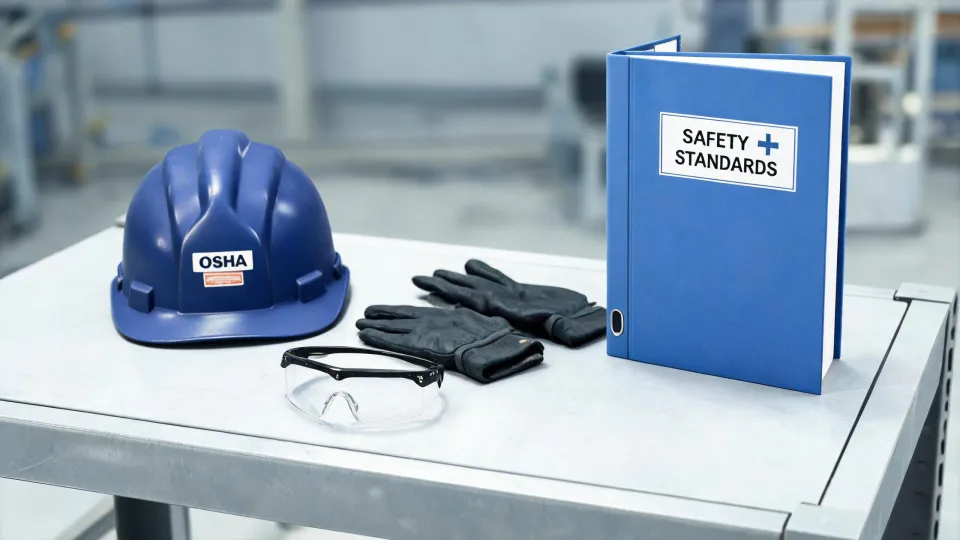
When someone needs safety equipment "yesterday," my job gets interesting.
In my role coordinating rush PPE orders for industrial and construction clients, I've handled 200+ emergency requests over the past eight years—including more same-day turnarounds than I can count. In March 2024, a client called at 4 PM.
"Can you get 60 pairs of cut-resistant gloves here by 8 AM tomorrow?"
Their compliance audit started the next morning. Normal turnaround for that order: five business days. We got it done—but not because we have a magic wand. Because we follow a framework.
Here's the thing about emergency PPE orders: there's no one-size-fits-all answer. A facility manager who just failed a safety inspection has very different needs than a homeowner whose smoke detector went off at 2 AM for no apparent reason. Treating them like the same problem leads to bad decisions.
So let me break this down by scenario. Once you know which one you're in, the path forward gets a lot clearer.
The Three Emergency Scenarios
Every rush request I get falls into one of three buckets:
- Scenario A: True crisis — someone could get hurt, or you're legally non-compliant right now.
- Scenario B: Operational deadline — an event, an audit, a contract start date with financial consequences.
- Scenario C: Personal disruption — lost gear, misfired alarms, situations that feel urgent but aren't.
Each one needs a different response. Let's go through them.
Scenario A: True Crisis — Every Hour Matters
This is where I stop talking about cost.
If an employee is at risk of injury because the right PPE isn't on site—or an inspector is threatening to shut your line down—the decision is short: get the gear, whatever it takes.
A few years back, a food processing plant called us about replacement nitrile gloves. Their regular supplier had them on backorder for three weeks, so the plant was running with generic gloves that kept tearing on the line. The risk wasn't just frustration; it was lacerations and potential contamination.
The upside of upgrading to a better glove: about $1,200 more than their usual budget. The risk: honestly, zero. But the plant manager still hesitated because that $1,200 wasn't in the quarterly plan. I kept asking myself—is saving $1,200 worth potentially losing a production day? It wasn't my call, but I knew the answer.
We found a Magid glove option that fit their specs and shipped overnight. The expediting fees ran about $400 on top of the product cost—maybe $450 with tax, I'd have to check the invoice. The alternative was a shutdown that would have cost 10 times that.
What to do in this scenario:
- Don't shop around. Go to a supplier you already trust, or one with a strong track record for fast fulfillment.
- Confirm stock before you order. An "in stock" flag on a website can lie; ask a human.
- Pay for expedited shipping. The math almost always works out in your favor.
- Order a small batch if that's all you can approve right now. A box of cut-resistant gloves can bridge you to a bigger order while approval catches up.
Small Orders in a Crisis
That last point matters more than you'd think.
When I was starting out, I worked with vendors who treated my $200 orders like they were doing me a favor. Guess which vendors I still call now that I place $20,000 orders? The ones who took the $200 order seriously. Small doesn't mean unimportant—it means potential.
That's been my experience with Magid Glove & Safety Company too. They've never made me feel like a smaller order was a hassle. Whether it's a case of safety glasses or a full PPE kit for one new hire, the response time is the same.
Scenario B: Operational Deadline — The 48-Hour Buffer Rule
This is the most common scenario I deal with. A client has an event, a scheduled audit, or a new contract starting, and they need PPE or workwear on site by a specific date. It's not life-or-death, but missing the deadline costs money.
Looking back on the times I've messed this up, there's a pattern: I trusted the standard delivery window without asking questions. Standard delivery of 5-7 business days works—until it doesn't. It took one near-miss with a $12,000 project to make me implement what I now call the 48-hour buffer rule.
The rule is simple: whatever the supplier says the delivery window is, add 48 hours. If they say it'll arrive Thursday, plan for Tuesday. If your true deadline is closer than the standard window allows, push for expedited shipping.
Specific advice for this scenario:
- Get the specifications right the first time. This is where the safety goggles drawing problem comes in. Rush orders get delayed all the time because of a specs mismatch—wrong lens tint, wrong strap type, wrong frame size. If you have a technical drawing or spec sheet, send it. If not, ask for a product drawing or photo before you commit. A 10-minute check saves a 3-day reorder cycle.
- Know the standards. For safety goggles, the relevant U.S. standard is ANSI Z87.1, which covers impact resistance and optical clarity. If a supplier can't confirm that a product meets the standard, that's a red flag. Standards get revised periodically, so verify the current revision before you order.
- Confirm everything in writing. A phone call doesn't protect you. Get the order confirmation, promised delivery date, and tracking number in writing.
- Have a backup number. Know what the vendor's next-day or same-day options are before you actually need them.
One thing I've learned about operational deadlines: the brand of workwear matters less than the vendor's reliability. I've had clients ask about Schmidt workwear or other brands they've come across, and my response is always the same—if the spec fits your needs and the supplier can deliver on time, it's worth considering. The most expensive workwear is worthless if it arrives two days after the audit.
Scenario C: Personal Disruption — Check Before You Panic-Order
This is the one that gets people to waste money.
People email me in a mild panic almost weekly about something that isn't actually an emergency. The classic example? "Why did my fire alarm randomly go off in the middle of the night?"
Before you buy anything—including a new alarm—check the basics.
The most common causes of a 2 AM fire alarm:
- Dust or steam from a nearby bathroom or kitchen
- Low battery chirping (which sounds different from a full alarm, but confusing at 3 AM)
- Insects inside the detector
- A unit past its expiration date (they typically last 8-10 years)
The most frustrating part: you'd think a smoke detector would know the difference between steam from a shower and actual smoke. They don't. The fix is often as simple as cleaning the unit or replacing the battery—not buying a whole new system.
Same logic applies to personal safety gear. Did your safety glasses get scratched beyond use? Did your hard hat crack from a fall? Did you lose your gloves somewhere on site?
Before you place a rush order, ask yourself: is this a genuine safety gap, or a mild inconvenience that can wait for standard shipping?
If it's just an inconvenience, wait. Standard shipping on a fresh pair of safety glasses from any reputable dealer costs a fraction of what you'll pay for overnight delivery. But if it's a genuine gap—say, your only pair of impact-rated goggles is unusable—then buy. Don't risk an eye injury over $15.
How to Determine Which Scenario You're In
If you're still unsure which category fits, here's a quick test.
Ask yourself: what's the worst case if I don't solve this in the next 24 hours?
- Someone gets hurt, or a regulatory penalty severe enough to shut you down → Scenario A. Spend the money. Don't overthink it.
- Financial loss—a missed contract deadline, a failed audit with a re-inspection fee, a wasted event → Scenario B. Speed matters, but you have hours to make the right call. Follow the buffer rule.
- Inconvenience or a small repair cost → Scenario C. Breathe. Check the basics. Standard shipping is fine.
I've been in this business long enough to see the same mistake repeat: people in Scenario C paying emergency prices for Scenario A problems. It's an expensive way to learn that not everything that feels urgent is actually urgent.
Finding a Supplier That Can Handle All Three
Here's where it all comes together. The ideal supplier handles all three scenarios well—not just the big, shiny orders.
Over years of testing different vendors, I've narrowed down my requirements:
- Stock depth. They carry multiple brands and types within each PPE category, so you can match specs quickly.
- Fast shipping options. Overnight and next-day options should be available without a phone call.
- In-house manufacturing or close supplier relationships. This is a big one for speed. When I need gloves fast, a company that manufactures its own products—like Magid Glove & Safety Company—can move quicker because they're not waiting on a third-party factory.
- Small-order tolerance. They don't roll their eyes at a single case of safety glasses. The vendor that treats your small order with respect today is the one that'll save your butt on a rush order next year.
I've had good experiences with several suppliers in the PPE space. Magid Glove & Safety Company is the one I keep coming back to for genuine emergencies, mainly because their in-house manufacturing means fewer links in the chain. When a client asked me last quarter to source 40 pairs of safety shoes for a plant start-up in five days, Magid was one of the first calls I made. It took about 15 minutes to verify stock, confirm specs, and lock in the order.
We hit the deadline. The plant started on schedule.
Bottom Line
Every emergency PPE order feels like a crisis until you categorize it. Once you know which scenario you're in, the solution becomes obvious:
- True crisis: buy the right thing, fast, whatever it costs.
- Operational deadline: verify specs, add a buffer, get everything in writing.
- Personal disruption: check the basics, don't panic, order normally.
The worst thing you can do is treat them all the same. The person who panic-buys $200 of expedited gear for a false alarm is often the same person who hesitates on a $400 expedited order that genuinely prevents a shutdown.
Don't be that person. Know which scenario you're in.

Jane Smith
I’m Jane Smith, a senior content writer with over 15 years of experience in the packaging and printing industry. I specialize in writing about the latest trends, technologies, and best practices in packaging design, sustainability, and printing techniques. My goal is to help businesses understand complex printing processes and design solutions that enhance both product packaging and brand visibility.
Leave a Reply