PPE field note
Specs Matter: What a Quality Inspector Wants You to Understand About Magid Gloves
Posted on 2026-08-24 by Jane Smith
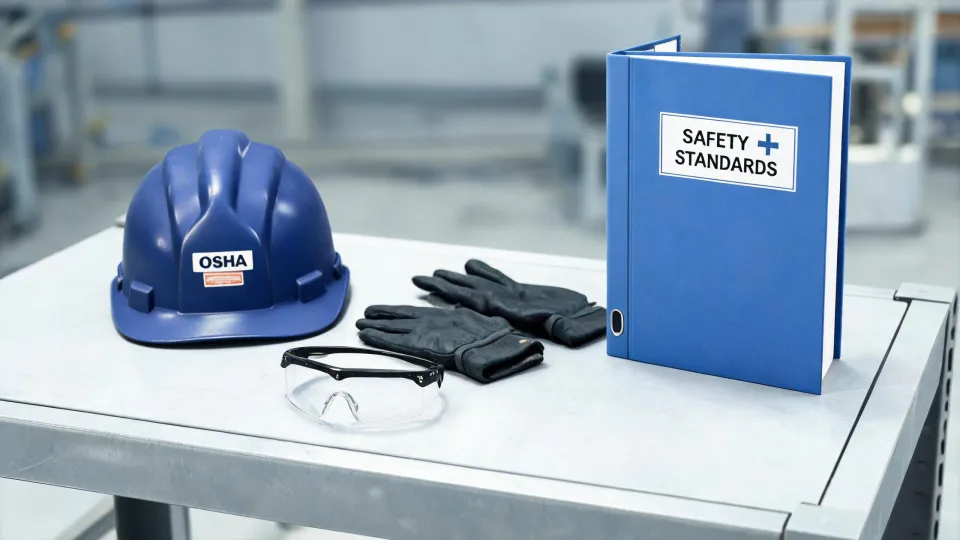
When I first started reviewing PPE, I assumed the model number was just a SKU. A glove is a glove, right? Then a batch of 10,000 units taught me otherwise. I reviewed what looked like the same glove from two different lines—same size, same color, both labeled “cut-resistant”—and one of them passed the ANSI cut test while the other didn’t. That was the day I stopped trusting labels and started verifying specs. If you’re buying safety products, you don’t just need a supplier; you need someone who will educate you on what you’re actually buying.
For the past five years, I’ve been the quality compliance manager at a safety equipment company. I review every new product before it goes into our catalog—roughly 200 items a year. I’ve rejected 12% of first shipments this year because the coating thickness didn’t match spec. That experience shapes how I talk to customers. And I’ve learned that the most valuable thing I can do isn’t just help you pick a tool—it’s help you understand why you’re picking it.
Why I Changed My Mind
I used to think that as long as a product met the standard, the specifics didn’t matter. Customers didn’t need to know the difference between an ANSI cut level A2 and A5. They just needed the right glove for the job. Then I saw a customer insist that his crew didn’t need the higher cut rating because they were “just handling glass.” His most experienced installer sliced a tendon. That claim cost him $22,000 in medical costs and lost time. The glove he had chosen was technically “cut-resistant,” but it wasn’t resistant enough for the task. The standard wasn’t the problem—his understanding of the standard was.
That was in 2022. It changed our whole customer training approach. Now, before we recommend a glove, we ask what hazards workers face, how often they’re exposed, and what environment they’re in. It doesn’t require a product catalog—it requires listening. And it usually takes less time than processing a return later.
The Magid Glove & Safety GPD700-10 vs. HV200W-10
Take two Magid models that show up in a lot of searches: the Magid Glove & Safety GPD700-10 and the Magid Glove & Safety HV200W-10. At first glance, they’re both work gloves. But the GPD700-10 is a general-purpose style with a textured nitrile palm that handles oily parts well. The HV200W-10 is a high-visibility glove with reflective trim, designed for workers who need to be seen in low light. Different tasks, different risks. Choosing wrong doesn’t just mean discomfort—it means a higher chance of injury. (I’ve seen a worker use a general-purpose glove in a low-visibility task and almost get clipped by a forklift.)
(Should mention: the model numbers themselves can be confusing. That’s exactly why I spend time explaining what they mean. If you search for “magid-glove,” you’ll get a catalog; I’d rather give you a decision framework.)
During our Q1 2024 audit, we tested both models against each other. We had a crew of 12 wear each glove while doing simulated oily parts handling and low-light signaling. The GPD700-10 won for oil grip; the HV200W-10 was noticeably easier to spot in dim conditions. Not a shock, but it confirmed what the spec sheets suggested. What surprised me was how many testers, when asked, said they would have bought whichever glove was cheaper just because the numbers looked similar.
Hog Wire Fence Maintenance After Dark
Here’s a scenario that’s more common than you’d think: working on a hog wire fence after the sun drops. The wire strands are sharp, the ground is uneven, and your hands get cold fast. Most people grab whatever old gloves are in the truck and click on a cheap flashlight held between their teeth. That’s a recipe for a bad day. A proper hard hat light frees your hands and keeps the beam where your head is pointed. Pair that with the right glove—something with enough grip and cut resistance to handle the wire ends—and you’ve cut your risk dramatically. I’ve never fully understood why workers skimp on lighting and gloves for this task. My best guess is they think “it’s just a fence.” But fences have sharp edges, and dark hours hide them.
Last fall, I spent an evening repairing a stretch of fence on a small farm. I brought the HV200W-10 because I knew the light was failing and I wanted to be visible to a tractor moving in the field. The difference between that and a plain cotton glove was obvious—not just for visibility, but for the way the grip held up against the wire. I also used a hard hat light instead of a flashlight, and I didn’t once have to stop and readjust my hold. Small details, but they add up.
Customer Education Isn’t a Nicety—It’s Compliance
The other part of my job is making sure our marketing doesn’t overpromise. Per FTC guidelines (ftc.gov), every claim about a product has to be substantiated. That’s not just legal compliance—it’s practical respect. If a glove is labeled “cut-resistant” but we don’t specify the ANSI level, a customer might assume it’s suitable for heavy metal work when it’s actually rated for light contact only. That’s a misleading claim, even if the test data is defensible. I’ve rejected marketing copy for this exact reason. (Note to self: always include the test standard in the description.)
And for the people who land here asking “can villagers open fence gates?”—I’m pretty sure that’s a Minecraft question. In the real world, the answer doesn’t matter because you’re not a villager. What matters is whether your fence gate is secured so an unsteady worker or a curious kid can’t wander into an active hazard area. I remember one site where the gate was “good enough”—and that’s exactly how a near-miss happens. So if you came for gaming advice, use it on your loading dock or livestock pen too.
But Doesn’t This Take Too Long?
Some safety professionals might say I’m overcomplicating it. “Just sell the right product, don’t turn every sale into a seminar.” I respect that. But my experience says the fastest path to a repeat customer is making them feel confident about what they bought. Yes, a 15-minute conversation about specs takes longer than a one-line quote. But I can promise you it takes less time than processing a return, logging a near-miss report, or answering an injury claim later. If a customer knows why the GPD700-10 is better for oily parts than the HV200W-10, they won’t return three weeks later with a complaint that the glove “doesn’t work.” They’ll also remember that you took the time to teach them. That’s not a distraction from service—it is the service.
The Bottom Line
I’m not trying to make you a safety expert. I’m trying to make sure you don’t get hurt because of a spec sheet you never saw. Whether you’re buying a Magid Glove & Safety product or any other PPE, ask questions. Ask your supplier to explain the tests behind the ratings. If they can’t or won’t, that’s a red flag. An educated customer is the kind of customer who comes back—and goes home safe.

Jane Smith
I’m Jane Smith, a senior content writer with over 15 years of experience in the packaging and printing industry. I specialize in writing about the latest trends, technologies, and best practices in packaging design, sustainability, and printing techniques. My goal is to help businesses understand complex printing processes and design solutions that enhance both product packaging and brand visibility.
Leave a Reply