PPE field note
I'm a Quality Inspector: Why Transparent PPE Specs Beat Low-Ball Quotes
Posted on 2026-08-10 by Jane Smith
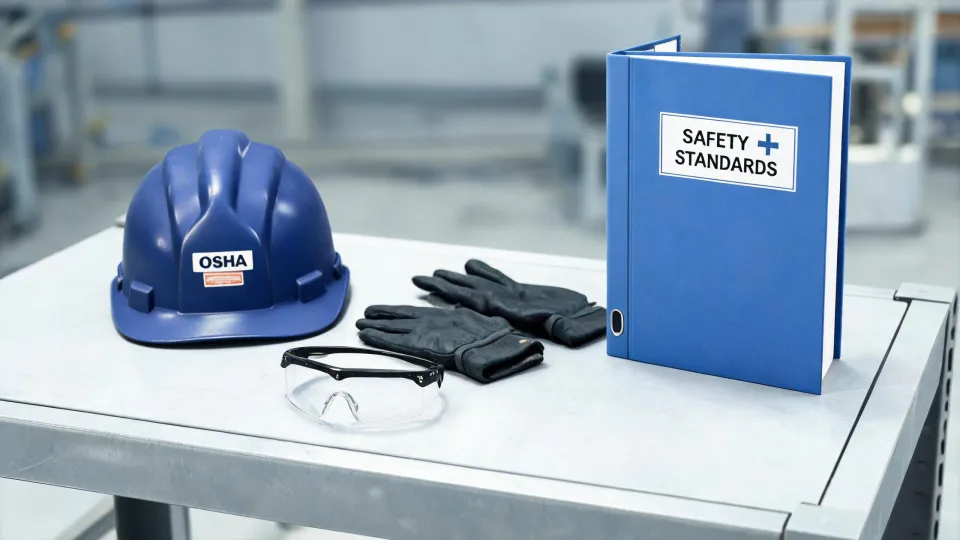
I'll say it plainly: if a PPE supplier can't show you the full spec sheet and the full price before you order, walk away.
I've been reviewing safety products for over four years as a quality and compliance manager. In Q1 2024, I ran an audit of our first-delivery acceptance rate. We rejected about 1 in 10 shipments because specs were off, paperwork was missing, or the product didn't match the sample. That's not unique to us—but it doesn't have to be normal. Most of those rejections could have been avoided if the supplier had been transparent from the start.
Transparency isn't a buzzword. It's a quality requirement.
Transparency starts with the spec sheet
Take the Magid glove & safety hv200w-10, for example. That's a product I've had to evaluate more than once. On paper, it looked fine. But the actual performance in our test run? That told a different story. The point isn't whether that specific glove is good or bad—it's that the seller, whoever they are, should be able to tell you exactly what standard it's tested to, what the cut-resistance level is, and what it can and can't do.
When I implemented our verification protocol in 2022, I started asking suppliers for the test report behind the rating. You'd be surprised how many can't provide it. Ask which ANSI/ISEA 105 cut level a glove meets and whether that test was done dry, oily, or with a specific type of blade. Under OSHA's PPE standard (29 CFR 1910.132), employers are supposed to assess hazards and select PPE based on actual conditions. A vague "it's a good glove" doesn't satisfy that.
I've seen a customer land on magid-glove after searching for "hog wire fence panels." They wanted fencing, not hand protection. But when they got to our site, they realized the panels they'd already bought would need serious cut-resistant gloves to handle. That kind of search doesn't tell you the user's hazard level. The spec sheet does.
Quote vs. actual cost: the part people forget
Here's where the transparency argument gets personal. Back in 2022, I got a "great" first quote from a new vendor. It was almost 20% below our usual cost. I was excited. I didn't dig deep enough into what wasn't included. Then came the line items: freight, hazmat handling, a "compliance document fee" I somehow hadn't seen before. The final invoice was higher than our standard supplier's. That's not rare. It's the norm.
I've since built a habit of asking one question before anything else: "What's NOT included?" If the vendor hesitates, that tells me more than any marketing sheet.
Last year, we switched to a supplier that didn't advertise the lowest unit price. Their quote included freight, packaging, certificates, everything. Our actual cost per delivered glove was lower than the "cheap" option from the year before. Total cost matters more than sticker price. I wish more purchasers asked for that level of detail before signing.
Transparent pricing isn't about being the cheapest. It's about knowing the total cost before you commit. That includes the cost of your own quality checks. I don't have hard data on industry-wide defect rates, but based on our 5 years of orders, my sense is quality issues affect about 8-12% of first deliveries. Each rejection costs time, paperwork, and usually a 2-3 week delay. If the supplier had just shown us the corners they cut, we could have made a better decision.
Legal and compliance info is part of the product
Another phrase that brings people to us: "is pepper spray legal in massachusetts." It's a fair question, and it deserves a straight answer. Not a blog post that says "check your local laws" and stops there. Not a sales page that just wants the order confirmed.
Massachusetts has specific rules around pepper spray—age requirements, restrictions on where you can buy it, and some limitations that have changed over the years. This was accurate as of late 2024, but laws change. I'm not a lawyer, and I'm not going to pretend I can give legal advice in the middle of a product page. But a good safety supplier should at least point you to the right regulation and tell you honestly when they're not sure. That transparency is what turns a one-off buyer into someone who comes back.
We also get searches that look completely random next to PPE. "Fuzzy handcuffs" is one that shows up more than you'd think. Different product, same principle: whether it's disposable gloves, a hard hat, or a pair of restraints, the buyer deserves to know exactly what they're getting, what maintenance looks like, and what the return policy is. If you can't get that info upfront, you're not making an informed purchase—you're gambling.
I've been on the other side of a rushed decision
Look, I understand why procurement teams lean on the lowest quote. Time pressure is real. I once had about two hours to approve a safety gear order before a rush project started. Normally I'd run a full comparison and pull samples. That day, I went with a vendor I'd worked with before, skipped the usual verification because I was in a hurry, and the first box arrived with a dimensional issue that cost us $400 and a day of installation delays.
In hindsight, I should have pushed the timeline back. But with the project lead waiting, I made a call with incomplete information. That mistake made me even more disciplined about asking for the full picture upfront.
What about the "just buy the cheapest" argument?
Some buyers will say, "This is just PPE, not rocket science. Buy cheap, replace often."
I disagree. PPE is the last line of defense between a worker and an injury. "Replace often" might work for cheap pens, not for gloves worn near a saw blade or glasses used around chemical splashes. And if that replacement is happening because the cheap version failed, the cost isn't just the price of a new pair.
I'm not saying every job needs an $80 pair of gloves. I am saying that the specs need to match the hazard, and the price needs to be real from the start.
Why Magid glove and safety mfg pushes for this
I've worked with Magid glove and safety mfg long enough to see how in-house manufacturing changes the conversation. When you control production, you can talk about tolerances, materials, and test data without guessing. That doesn't make us perfect—we've had batches fail too. But when something goes wrong, the fix is a lot faster when the supplier is the manufacturer and not just a middleman.
The brand isn't the point. The point is that whether you're buying from us or from a competitor, you deserve a straight answer. Ask for the spec. Ask for the full cost. Ask what the warranty doesn't cover. If the supplier gives you vague language, that's your answer.
And if you're searching for "magid glove" specifically because you want to check our products, good. We'll show you the data and the catches. That's the only way I know to build trust that lasts past the first invoice.
Take it from someone who's rejected thousands of units: transparency isn't a weakness. It's the first quality check on any order.

Jane Smith
I’m Jane Smith, a senior content writer with over 15 years of experience in the packaging and printing industry. I specialize in writing about the latest trends, technologies, and best practices in packaging design, sustainability, and printing techniques. My goal is to help businesses understand complex printing processes and design solutions that enhance both product packaging and brand visibility.
Leave a Reply