PPE field note
Why I Stopped Buying PPE From 8 Different Vendors (And What It Cost Me Before I Learned)
Posted on 2026-07-30 by Jane Smith
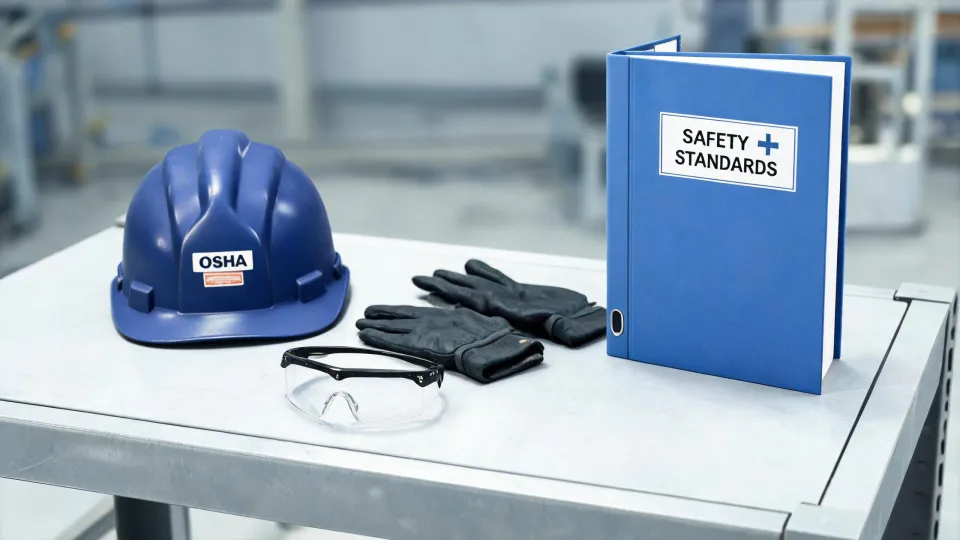
Let me paint you a picture from 2023. I'm sitting at my desk, processing invoices for my 400-person company across three locations. We had safety glasses from one vendor, work boots from another, and fire extinguishers from a guy who only took handwritten receipts. It was chaos. And I was the one holding the pieces together.
If you're in a similar boat—juggling safety gloves, hard hats, respirators, and the occasional pepper spray order for a remote security team—you know the struggle. The surface problem is clear: "I'm managing too many vendors." But the real problem, the one that cost me $2,400 in rejected expenses and a lot of stress, goes much deeper.
Surface Problem: The Vendor Tangle
When I took over purchasing in 2020, I thought having specialists was the smart move. Need a specific Magid glove & safety HV200W-10? Go to the glove guy. Need men's work boots? Call the boot supplier. Fire extinguisher inspection? That's a separate company. It felt thorough.
But like I said, I was managing relationships with 8 different vendors for different needs. Processing 60-80 orders annually. It's not just the time. It's the mental load of remembering who accepts purchase orders, who needs a separate login, and whose invoice format finance likes.
I knew I should have consolidated, but I thought, "What are the odds that this one specialized vendor causes a real problem?" Well, the odds caught up with me.
The $2,400 Mistake
In late 2022, I found a great price on a bulk order of safety vests from a new supplier. They were about $600 cheaper than our regular source. I ordered 50 units. They arrived on time, and the quality was actually pretty good.
Then came the invoice. Handwritten. On a scrap of paper. No tax ID, no purchase order number, not even a proper company name. I submitted the expense report, and finance rejected it. Hard. I ate that $600 out of the department budget. But the bigger cost was the 6 hours I spent untangling the mess and explaining to my VP why a simple purchase became a problem.
That's the thing about a fragmented vendor list. It's not just about the price per unit. It's about the hidden costs of verification, compliance, and rework.
Deeper Cause: Specialists Don't Solve the Big Picture
Most companies think they need specialists for every type of gear. They think a glove manufacturer can't possibly make a good safety shoe. They're wrong. But more importantly, they're missing the real issue: the cost of coordination.
Here's the surprise I never expected. The real value from a company like Magid isn't just the glove quality on the HV200W-10 model. It's that they understand the entire safety ecosystem. They manufacture gloves, sure. But they also carry the safety glasses, the hard hats, the coveralls, the fire extinguishers, and even the pepper spray that a security guard might need for a checked bag. They don't just sell products; they solve the procurement problem.
Turns out, the specialist vendors were great at their one product but terrible at everything else. They couldn't provide consolidated shipping, couldn't issue a single invoice, and didn't care about my accounting team's workflow.
The Hidden “Specialist Tax”
I started tracking the true cost of our 8-vendor model. The numbers were ugly.
- Time wasted: 2 hours per week on vendor coordination.
- Shipping costs: We paid 4 separate shipping fees instead of 1 consolidated one.
- Invoice processing: Accounting spent 30 minutes per vendor per month on reconciling different formats.
- Rejected expenses: That $600 hand-written receipt wasn't our only loss. We had two more incidents totaling $1,800 over the year.
So when I say the specialist model cost us $2,400, I'm probably being conservative. The real cost was higher when you add the lost time and the stress.
The surprise wasn't the price difference between vendors. The surprise was how much hidden value came with the “comprehensive” option—support, single-source accountability, and a vendor who actually knows how safety procurement works.
Why This Matters: The Real Cost of Not Fixing It
If you don't solve this, the consequences go beyond a few rejected invoices. Let's talk about the stuff that keeps you up at night.
1. Compliance Risk
When you order respirators from a random online seller and men's work boots from another, who's verifying that the products meet ANSI or OSHA standards? If there's an incident and your documentation is scattered across 8 vendors, you have a serious problem. Honestly, I didn't sleep well knowing our audit trail was a mess.
2. Your Internal Customers Lose Confidence
My team on the floor needed those Magid glove & safety gloves yesterday. If I'm stuck on the phone with a vendor who can't find our order, the production line manager gets frustrated. And then I look bad. That unreliable supplier made me look bad to my VP—not just once, but repeatedly.
3. You're Burning Out
I was processing orders, reconciling invoices, and chasing down delivery confirmations. It was basically a part-time job on top of my real job. Nobody in the C-suite sees that effort. They just see the failure when something goes wrong.
The Solution (Short & Simple)
Here's the part where I keep it brief, because once you understand the problem, the answer is obvious.
I consolidated our PPE procurement. That meant finding a vendor who could handle most of our needs. For us, that was Magid. They manufacture gloves (including the HV200W-10), but they also stock safety glasses, hard hats, coveralls, and even the niche stuff like fire extinguishers and pepper spray.
Did I switch to Magid because they had the cheapest price on every item? No. I switched because their savings were in the process, not the price sheet.
Here's what changed:
- One PO, one invoice. No more hunting for paper receipts.
- Consolidated shipping. We got one pallet instead of four boxes.
- Accountability. If something was wrong, I called one person. They fixed it.
- Real expertise. They helped me choose the right glove for a specific task, which reduced injuries and complaints.
Bottom line: I'd rather spend 10 minutes talking to a single vendor who understands the full picture than spend hours managing 8 specialists. An informed customer asks better questions and makes faster decisions. I learned that the hard way.
Now, when an employee asks, "Hey, can we get pepper spray for the security guys?" I don't have to go find a new vendor. I just add it to the Magid order. Problem solved. Stress reduced. And my accounting team doesn't hate me anymore.

Jane Smith
I’m Jane Smith, a senior content writer with over 15 years of experience in the packaging and printing industry. I specialize in writing about the latest trends, technologies, and best practices in packaging design, sustainability, and printing techniques. My goal is to help businesses understand complex printing processes and design solutions that enhance both product packaging and brand visibility.
Leave a Reply